In today’s hyper-connected world, mastering CRM based communication isn’t just smart—it’s essential. Discover how businesses are leveraging customer data to build stronger relationships, boost sales, and deliver unmatched experiences.
What Is CRM Based Communication?

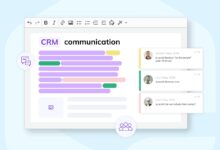
CRM based communication refers to the strategic use of Customer Relationship Management (CRM) systems to manage, automate, and personalize interactions with customers across multiple channels. It’s not just about storing contact details; it’s about creating meaningful, data-driven conversations that foster loyalty and drive growth.
The Evolution of Customer Communication
Customer communication has evolved dramatically over the past few decades. From handwritten letters and phone calls to emails, live chats, and social media, the channels have multiplied. But with this expansion came complexity—businesses struggled to keep track of interactions, leading to fragmented customer experiences.
Enter CRM systems. Originally designed as digital rolodexes, modern CRMs have transformed into intelligent hubs that centralize customer data, track engagement history, and enable proactive outreach. This evolution has made CRM based communication a cornerstone of modern marketing and sales strategies.
Core Components of CRM Based Communication
A successful CRM based communication strategy relies on several key components:
- Centralized Customer Database: A single source of truth that stores contact information, purchase history, support tickets, and behavioral data.
- Automation Tools: Features like email workflows, task reminders, and follow-up triggers that reduce manual effort.
- Multi-Channel Integration: The ability to communicate via email, SMS, social media, live chat, and phone—all from one platform.
- Analytics and Reporting: Real-time insights into campaign performance, customer engagement, and sales funnel progression.
Together, these components empower businesses to move from reactive to proactive communication, ensuring no customer falls through the cracks.
“CRM is not just a technology—it’s a strategy for building better relationships.” — Paul Greenberg, author of CRM at the Speed of Light
Why CRM Based Communication Matters in 2024
In an era where customers expect instant, personalized responses, CRM based communication is no longer optional. It’s a competitive necessity. Companies that fail to adopt this approach risk losing relevance, revenue, and reputation.
Meeting Rising Customer Expectations
Today’s consumers demand more than just products—they want personalized experiences. According to a Salesforce report, 84% of customers say being treated like a person, not a number, is crucial to winning their business.
CRM based communication enables businesses to deliver exactly that. By tracking past interactions, purchase behavior, and preferences, companies can tailor their messaging to individual needs. For example, a customer who recently bought running shoes might receive follow-up content about training tips or complementary gear—delivered at the right time and through their preferred channel.
Driving Sales and Revenue Growth
Effective CRM based communication directly impacts the bottom line. Sales teams equipped with CRM insights can prioritize high-value leads, personalize outreach, and shorten sales cycles.
A study by Nucleus Research found that every dollar invested in CRM generates an average return of $8.71. Much of this ROI comes from improved communication efficiency, better lead nurturing, and increased customer retention.
For instance, automated drip campaigns can guide prospects through the buyer’s journey without constant manual intervention. When a lead downloads a whitepaper, the CRM can trigger a series of educational emails, followed by a personalized demo offer—keeping the brand top-of-mind while freeing up sales reps for high-touch engagements.
Key Benefits of CRM Based Communication
The advantages of implementing CRM based communication extend across departments—from sales and marketing to customer service and executive leadership.
Enhanced Customer Personalization
One of the most powerful benefits of CRM based communication is the ability to personalize at scale. Instead of blasting generic messages to thousands, businesses can segment audiences based on demographics, behavior, and lifecycle stage.
For example, an e-commerce brand might use CRM data to send:
- Abandoned cart reminders with product images and discount codes.
- Birthday emails with exclusive offers.
- Post-purchase follow-ups asking for reviews or suggesting related items.
This level of personalization increases open rates, click-through rates, and conversion rates—making every message feel relevant and timely.
Improved Team Collaboration and Efficiency
CRM based communication breaks down silos between departments. When marketing, sales, and support teams share the same platform, everyone has access to the full customer history.
Imagine a customer calls support with an issue. The agent can instantly see that the customer recently attended a webinar, engaged with a promotional email, and has an open sales opportunity. This context allows for faster resolution and more informed interactions.
Additionally, internal communication improves with features like shared notes, task assignments, and activity logs. No more lost emails or missed follow-ups—everything is tracked and visible.
Higher Customer Retention and Loyalty
Acquiring a new customer can cost five times more than retaining an existing one. CRM based communication helps businesses nurture long-term relationships by staying engaged between purchases.
Automated loyalty programs, re-engagement campaigns, and proactive check-ins keep customers feeling valued. For example, a SaaS company might use CRM triggers to reach out to users who haven’t logged in for 30 days, offering help or highlighting new features.
According to Zendesk, companies with strong customer retention strategies see up to 25% higher profitability. CRM systems make these strategies scalable and measurable.
How CRM Based Communication Works: A Step-by-Step Breakdown
Understanding the mechanics behind CRM based communication is key to leveraging its full potential. Let’s walk through the typical workflow.
Data Collection and Integration
The foundation of any CRM system is data. This includes:
- Contact information (name, email, phone, company)
- Interaction history (emails, calls, meetings)
- Behavioral data (website visits, content downloads, purchase frequency)
- Social media activity
Modern CRMs integrate with various tools—email platforms, websites, e-commerce systems, and social networks—to automatically collect and sync this data. APIs and plugins ensure that information flows seamlessly into the CRM, eliminating manual entry errors.
Segmentation and Targeting
Once data is collected, the next step is segmentation. CRM systems allow businesses to group customers based on criteria such as:
- Demographics (age, location, job title)
- Buying behavior (first-time vs. repeat customers)
- Engagement level (active, dormant, at-risk)
- Lifecycle stage (prospect, lead, customer, advocate)
These segments enable targeted communication. For example, a B2B software company might create a campaign specifically for IT managers in mid-sized companies who attended a recent product demo.
Automated Messaging and Workflow Triggers
This is where CRM based communication truly shines. Workflows automate repetitive tasks based on predefined rules. Common examples include:
- Sending a welcome email series after someone subscribes to a newsletter.
- Assigning a sales rep when a lead reaches a certain score.
- Triggering a satisfaction survey after a support ticket is closed.
These automations ensure consistency and timeliness, two critical factors in effective communication. Platforms like HubSpot CRM and Zoho CRM offer intuitive drag-and-drop workflow builders that make setup accessible even for non-technical users.
Top CRM Platforms for Effective Communication
Not all CRM systems are created equal. Some are built for sales automation, others for marketing, and some offer a full-suite approach. Here are the top platforms that excel in CRM based communication.
HubSpot CRM: The All-in-One Solution
HubSpot CRM is widely regarded as one of the most user-friendly and powerful platforms for CRM based communication. It offers:
- Free CRM with robust features
- Seamless integration with marketing, sales, and service hubs
- Advanced email tracking and sequencing
- Live chat and chatbot functionality
- Customizable workflows and automation
Its strength lies in its ecosystem. Businesses can manage the entire customer journey—from lead capture to post-sale support—within a single interface. The platform also uses AI to suggest the best times to email and provides detailed analytics on engagement.
Salesforce: The Enterprise Powerhouse
Salesforce remains the gold standard for large organizations with complex needs. It’s highly customizable and scalable, making it ideal for enterprises across industries.
Key communication features include:
- Pardot for B2B marketing automation
- Service Cloud for customer support
- Marketing Cloud for cross-channel campaigns
- Einstein AI for predictive insights and recommendations
While Salesforce has a steeper learning curve, its depth of functionality and vast AppExchange marketplace make it a top choice for companies serious about CRM based communication.
Microsoft Dynamics 365: Integration with Office Ecosystem
For businesses already embedded in the Microsoft ecosystem, Dynamics 365 offers seamless integration with Outlook, Teams, and Office 365. This tight integration enhances CRM based communication by bringing customer data directly into daily workflows.
For example, sales reps can log calls, send emails, and update records without leaving Outlook. Teams meetings can be automatically linked to CRM contacts, and customer documents can be stored in SharePoint with full audit trails.
Dynamics 365 also offers strong AI capabilities and industry-specific templates, making it a versatile choice for mid-to-large sized businesses.
Best Practices for Implementing CRM Based Communication
Adopting a CRM system is just the beginning. To truly unlock its potential, businesses must follow proven best practices.
Start with Clear Goals and KPIs
Before implementing a CRM, define what success looks like. Are you aiming to increase lead conversion rates? Improve customer satisfaction scores? Reduce response times?
Set measurable KPIs such as:
- Email open and click-through rates
- Lead-to-customer conversion rate
- Average response time to inquiries
- Customer lifetime value (CLV)
These metrics will help you track progress and optimize your CRM based communication strategy over time.
Ensure Data Quality and Hygiene
Garbage in, garbage out. A CRM is only as good as the data it contains. Poor data quality—duplicate entries, outdated contact info, missing fields—can derail communication efforts.
To maintain data integrity:
- Implement validation rules during data entry
- Schedule regular data cleanup audits
- Use tools like Clearbit or LinkedIn Sales Navigator to enrich records
- Train teams on consistent data entry practices
High-quality data ensures that your messages reach the right people with the right content.
Train Your Team and Foster Adoption
Even the best CRM will fail if employees don’t use it. Resistance to change is common, especially among sales teams who may view CRM as extra administrative work.
To drive adoption:
- Provide hands-on training sessions
- Highlight time-saving benefits (e.g., auto-logging calls)
- Appoint CRM champions within each department
- Integrate CRM use into performance evaluations
When teams see the value, usage increases—and so does the effectiveness of CRM based communication.
Common Challenges and How to Overcome Them
While CRM based communication offers immense benefits, it’s not without challenges. Here’s how to navigate the most common pitfalls.
Data Silos and Integration Issues
Many organizations struggle with disconnected systems—marketing automation in one place, sales data in another, support tickets elsewhere. This fragmentation undermines CRM based communication.
Solution: Invest in a CRM with strong integration capabilities. Use middleware like Zapier or MuleSoft to connect disparate tools. Prioritize platforms that offer native integrations with your existing tech stack.
Over-Automation and Loss of Personal Touch
While automation is powerful, over-reliance can make communication feel robotic. Customers can spot generic, templated messages from a mile away.
Solution: Balance automation with personalization. Use dynamic fields (e.g., {{first_name}}, {{company}}) and behavioral triggers to make messages feel human. Incorporate video messages, handwritten notes, or personalized content recommendations to add warmth.
Measuring ROI and Proving Value
Stakeholders often demand proof that CRM investments are paying off. Without clear metrics, it’s hard to justify ongoing costs.
Solution: Create a dashboard that tracks key performance indicators. Show improvements in lead response time, customer retention rates, and sales productivity. Use before-and-after comparisons to demonstrate impact. Regularly report these insights to leadership to maintain support.
Future Trends in CRM Based Communication
The world of CRM is evolving rapidly, driven by advancements in AI, machine learning, and customer expectations. Here’s what’s on the horizon.
AI-Powered Predictive Communication
AI is transforming CRM based communication from reactive to predictive. Systems can now anticipate customer needs based on past behavior and real-time signals.
For example, if a customer frequently browses pricing pages but hasn’t contacted sales, the CRM might suggest sending a personalized demo offer. AI can also predict churn risk and trigger retention campaigns before a customer cancels.
Platforms like Salesforce Einstein and HubSpot’s AI tools are already offering these capabilities, and adoption will only grow.
Conversational CRM and Chatbots
Customers increasingly prefer instant answers. Conversational CRM—using chatbots and messaging apps—allows businesses to provide 24/7 support and engagement.
Modern chatbots can qualify leads, book meetings, and escalate to human agents when needed—all while logging interactions in the CRM. This seamless handoff ensures continuity in communication.
Integration with WhatsApp, Facebook Messenger, and SMS is becoming standard, making it easier than ever to meet customers where they are.
Hyper-Personalization Through Behavioral Analytics
The future of CRM based communication lies in hyper-personalization. Instead of segmenting by broad categories, businesses will target individuals based on micro-behaviors.
Imagine sending a message because a customer paused a product video at the 45-second mark—indicating interest but hesitation. The CRM could trigger a follow-up email with testimonials or a limited-time discount to push them toward conversion.
With tools like heatmaps, session recordings, and intent data, this level of precision is becoming a reality.
What is CRM based communication?
CRM based communication is the use of Customer Relationship Management systems to manage, automate, and personalize interactions with customers across various channels. It leverages customer data to deliver timely, relevant, and consistent messages that enhance engagement and drive business growth.
How does CRM improve customer communication?
CRM improves communication by centralizing customer data, enabling personalization, automating repetitive tasks, and providing insights through analytics. This leads to more relevant messaging, faster response times, and stronger relationships.
Which CRM is best for communication?
The best CRM for communication depends on your needs. HubSpot CRM is excellent for small to mid-sized businesses seeking ease of use. Salesforce is ideal for large enterprises needing scalability. Microsoft Dynamics 365 is perfect for organizations already using Microsoft 365.
Can CRM systems integrate with email and social media?
Yes, most modern CRM systems integrate seamlessly with email platforms (like Gmail and Outlook), social media networks (like LinkedIn and Facebook), and messaging apps (like WhatsApp). These integrations allow for unified communication tracking and automation.
Is CRM based communication suitable for small businesses?
Absolutely. Many CRM platforms offer free or low-cost plans tailored for small businesses. CRM based communication helps small teams compete with larger organizations by improving efficiency, personalization, and customer retention.
CRM based communication is no longer a luxury—it’s a strategic imperative. From enhancing personalization and boosting sales to improving customer retention and enabling AI-driven insights, the benefits are clear and measurable. By choosing the right platform, following best practices, and staying ahead of trends, businesses of all sizes can build stronger relationships and achieve sustainable growth. The future of customer engagement is here, and it runs on CRM.
Further Reading:
